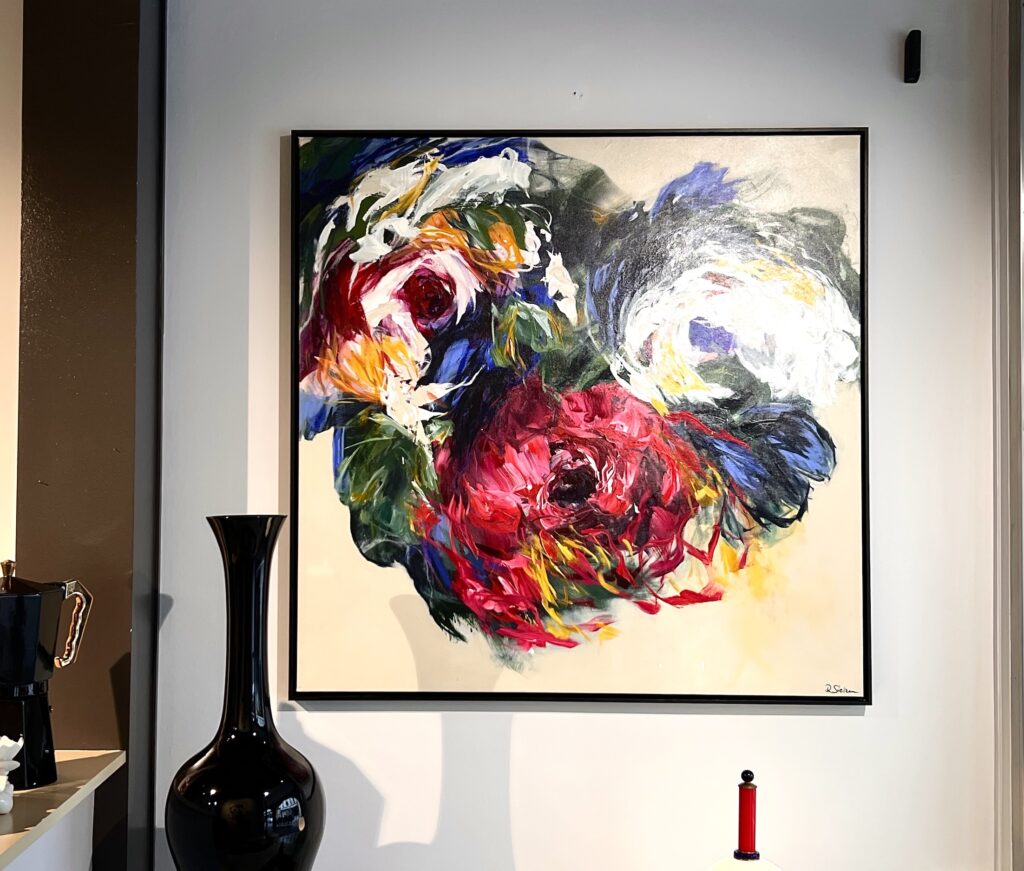
Author: admin_bitec

What to See in Padua: A Tour of Contemporary Art and Masterpieces from the Past

What to see in Padua in one day? A walking tour that starts with Giotto and continues through to the present day: the Scrovegni Chapel, the medieval heart of the city, the Basilica of Saint Anthony, the world’s oldest botanical garden —and a stop often overlooked in guidebooks, the Spazio Anna Breda gallery, to round out the day with contemporary art.

Padua is easy to explore on foot in a single day: the historic center is compact, and the main attractions are just a few minutes apart. What follows is not just a list of monuments, but an itinerary designed around a single theme: experiencing art from seven centuries ago and art from today on the same day, in the same city.

Stage 1 (morning): Basilica of St. Anthony and Prato della Valle

We’ll start in the south, where there are fewer visitors early in the morning. The Basilica of St. Anthony is one of the most visited shrines in the world, a pilgrimage destination and a site of great artistic and architectural significance—admission is free; no ticket is required.

Just a short walk away is Prato della Valle, one of the largest squares in Europe: an elliptical plaza surrounded by statues of famous figures, a great spot to take a break before continuing on.

Stop 2: The Botanical Garden, the oldest garden in the world

Right next to the basilica stands the Padua Botanical Garden, founded in 1545: it is the oldest surviving university botanical garden in the world and has been a UNESCO World Heritage Site since 1997. Created to study the medicinal properties of plants, it still retains its original circular layout today, along with more modern greenhouses.

Practical note: The Botanical Garden is closed on Mondays. If possible, try to avoid planning this itinerary for a Monday.

Stop 3: Palazzo Bo, the intellectual heart of the University

Walking toward the city center, you’ll reach Palazzo Bo, the historic home of the University of Padua, one of the oldest universities in the world. Inside, you’ll find the Anatomical Theater, the oldest permanent anatomical theater still in existence (1594), and the lecture hall where Galileo Galilei taught between 1592 and 1610. Visits are only available as part of a guided tour; it’s best to book in advance.

Practical note: The Palazzo della Ragione (the next stop) is also closed on Mondays—one more reason to avoid that day if you want to see the entire itinerary.

Stop 4: Piazza delle Erbe, Palazzo della Ragione, and Caffè Pedrocchi

The center of Padua revolves around Piazza delle Erbe, where a market is held every day, and the Palazzo della Ragione, the historic courthouse dating back to 1306: a single, 82-meter-long hall with a ceiling shaped like an inverted ship’s hull and walls covered with fresco cycles depicting astrological themes.

Not far away, Caffè Pedrocchi has been a city institution since 1831; it is historically known as “the café without doors” because it has always been open and accessible to everyone. It’s the perfect place to take a break and try the house specialty: mint coffee.

Stop 5 (afternoon): the Scrovegni Chapel

In the early afternoon, you’ll reach the Scrovegni Chapel, which houses Giotto’s fresco cycle (early 14th century): one of the works that art history identifies as a turning point toward a more human and emotional style of painting, a departure from the rigidity of earlier Byzantine icons.

Along with the Palazzo della Ragione, the chapel is part of Padova Urbs Picta, the serial site designated a UNESCO World Heritage Site in 2021 that brings together the city’s eight 14th-century fresco cycles.

Practical note: Admission is by time slot (visits last about 15–20 minutes), and it’s almost always necessary to book in advance. Check the official website for hours and availability before planning your day.

Stop 6: Spazio Anna Breda, contemporary art just a stone’s throw from Giotto

Just a few minutes’ walk from the chapel is Spazio Anna Breda, a contemporary art gallery in the heart of the historic center. It’s no coincidence that it marks the end of the tour: the gallery opens in the late afternoon, the perfect time to transition from seven centuries of art history to what is being painted, sculpted, and photographed today.

It’s a different way of presenting Padua: not just the city of Giotto, but also a city where contemporary art has its own vibrant presence, featuring a selection of paintings, sculptures, and photographs by Italian and international artists.

Practical Information:

Address: Via San Fermo, 51, Padua
Hours: Monday through Saturday, 3:00 PM–7:00 PM (closed Sundays) — always check the latest hours before your visit
Phone: +39 329 231 2572

How to Plan Your Day

A possible itinerary, designed to accommodate the actual schedules for each stop:

  • Early morning: Basilica of St. Anthony → Prato della Valle → Botanical Garden
  • Mid-morning: Palazzo Bo (with a pre-booked guided tour)
  • Lunch break in the Piazza delle Erbe area
  • Early afternoon: Palazzo della Ragione → Caffè Pedrocchi → Scrovegni Chapel (with reserved admission)
  • Late afternoon (after 3:00 p.m.): Spazio Anna Breda, to wrap up the day

Frequently Asked Questions

How long does it take to visit Padua in one day? A full day, from morning to late afternoon, is enough for the complete itinerary described here, walking at a leisurely pace and taking your time at each stop.

Do you need to make a reservation for the Scrovegni Chapel? Yes, almost always: admission is by time slot, with a limited number of visitors per time slot. It’s best to book a few days in advance, especially during the peak tourist season.

What should you see in Padua if you only have half a day? The top priorities are still the Scrovegni Chapel and the Basilica of Saint Anthony; if the city center is open in the afternoon, it’s worth adding a stop at Spazio Anna Breda to experience the contrast between ancient and contemporary art.

Is Spazio Anna Breda open to the public? Yes, admission to the gallery is free during opening hours (Monday–Saturday, 3:00 p.m.–7:00 p.m.), and no reservation is required.


Visit the online gallery

Get inspired and discover all the available works

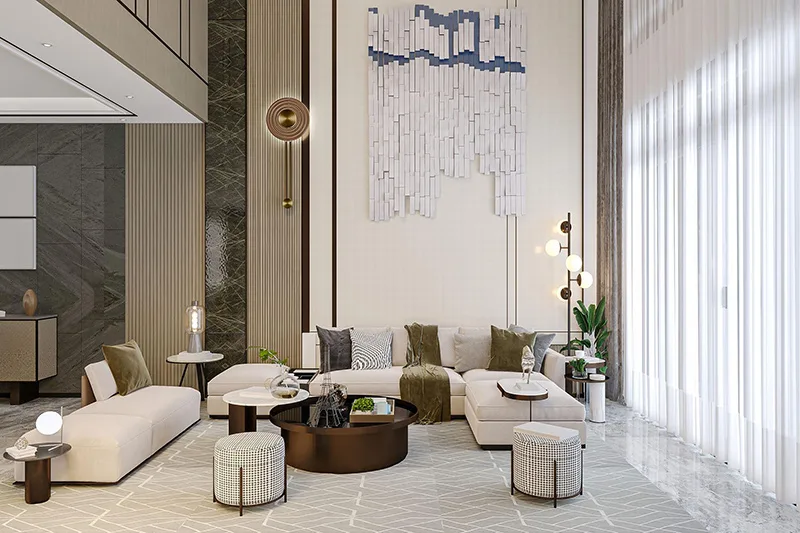
progetto di interior design con opera d'arte contemporanea integrata

Interior Design and Contemporary Art: How Professionals and Individuals Pair Artworks with Spaces

In short: the intersection of contemporary art and interior design isn’t just about “where to hang a painting,” but about how a work of art is integrated into the design from the very beginning—color palette, materials, lighting, and proportions in relation to the architecture. This is the method professionals use, and it’s an approach anyone can adopt, even in their own home.

There’s a difference between choosing a piece of art to fill a wall and designing a space around a piece of art. The first is an aesthetic choice, often made at the last minute, after the work is already finished. The latter is a method—one that interior designers and architects have long employed—in which art is part of the project’s language rather than a last-minute addition.

Art as a starting point, not as the finishing touch

In projects designed by a professional, the artwork is often chosen first, and the furnishings are arranged around it. A painting with a strong dominant color, for example, can serve as the inspiration for the color of fabrics, a sofa, or an adjacent wall. The result is a space where the artwork doesn’t “just happen to look good there”—it’s part of the composition from the very beginning.

You don’t have to be a professional to apply this principle. Just reverse the order of your choices: first identify the piece you want to experience every day, and then build the space around it—instead of the other way around.

The Professionals’ Approach: 4 Elements to Consider Together

Interior designers do not view a project in isolation, but rather in conjunction with three other factors:

  • Color palette and materials. The artwork interacts with the flooring, fabrics, and finishes: it doesn’t necessarily have to match, but the choice should be made deliberately—whether for contrast or continuity.
  • Proportions in relation to the architecture, not just the furniture below: ceiling height, wall width, and the lines of the space. A piece designed for a 3-meter-high ceiling behaves differently in a smaller space.
  • Lighting should be designed as part of the project, not added after construction is complete: adjustable spotlights, track lighting, or linear LED strips should be included in the electrical design, not installed afterward.
  • Visual path: where the eye is drawn upon entering a room, and how the works are arranged in an open-plan space or along a path through multiple rooms.

Sculptures, Ceramics, and Natural Materials: A Dialogue with Architecture

Three-dimensional works engage in a different dialogue than paintings do: they interact with the materials of the architecture itself, not just with the walls. A ceramic sculpture, such as those by Carola Castagna, works particularly well in spaces featuring natural materials—wood, stone, exposed concrete—because it establishes a dialogue between the craftsmanship of the work and the materiality of the space, rather than simply “occupying” a corner.

When It’s a Good Idea to Work with an Art Advisor

A project can get off the ground even without an expert, but there are situations in which consulting makes a real difference:

  • when working on multiple environments at the same time and a single point of coordination is needed to avoid an inconsistent result;
  • when access is needed to works not yet on public display, in addition to those already available online or in the gallery;
  • when a project requires logistical support—transportation, installation, setup—as well as assistance with the selection process;
  • When a professional is working on a client’s brief and needs a partner who understands both the language of the project and that of art.

Spazio Anna Breda’s Art Advisory service was created precisely for this purpose: to assist designers and private clients in selecting the works best suited to a specific project—not merely to sell a single piece.

2026 Trends in the Relationship Between Art and Interior Design

Some trends that are most frequently seen in recent projects:

  • Gallery walls as an architectural element, not just a solution for hallways: sequences of artworks used to define an open space or guide a path.
  • Large-format photography in minimalist settings, where a single image replaces multiple decorative elements. The work of photographers like Gabriele Zago lends itself well to this type of setting, thanks to the clean composition of the shots.
  • Natural materials are making a comeback in combination with sculpture, in line with the growing focus on craftsmanship and sustainability in interior design.
  • Lighting integrated into the design, no longer just an accessory: adjustable lighting systems designed in conjunction with the overall electrical system, rather than added as an afterthought.

Different contexts, different approaches

A residential project, an office, a hotel, or a restaurant all follow somewhat similar principles—color palettes, proportions, lighting—but with different priorities: in an office, concentration is key; in a restaurant, conversation is key; in a hotel, first impressions are key. We’ll explore these aspects in more depth in articles dedicated to each context.

Frequently Asked Questions

Should you choose a piece of art before or after furnishing a room? In professional design projects, it’s often done first: the artwork serves as the color and style reference for subsequent choices. For those furnishing on their own, reversing the usual order—choosing first the artwork you want to enjoy every day—is still a good place to start.

Is it better to consult an art advisor or choose the works on your own? It depends on the complexity of the project. For a single work in a single room, choosing on your own is perfectly sufficient. For multiple rooms, large budgets, or logistical requirements (transportation, installation), consulting an expert reduces the risk of an inconsistent result.

How do you match a sculpture to an architectural space? By considering the materials of the environment (wood, stone, concrete) even before considering the style of the sculpture: a dialogue between materials often works better than a simple aesthetic match.

Should the lighting for a building be designed in conjunction with the architecture? Yes, whenever possible: incorporating adjustable light fixtures into the electrical plan is less expensive and more effective than adding a spotlight after construction is complete.

Conclusion

Whether you work with a professional or do it yourself, the principle remains the same: art works best when it’s part of the project from the very beginning, not just a final addition.

If you’re working on a project and would like a custom-curated selection of artworks, check out Spazio Anna Breda’s Art Advisory service, or contact us to discuss it. If, on the other hand, you’re looking for inspiration for your home, take a look at our selection of artworks designed for home settings.


Visit the online gallery

Get inspired and discover all the available works

Contemporary Art Trends in 2026: What the Market Is Watching

In summary: Contemporary art trends in 2026 paint a picture of a market that is readjusting after turbulent years: craftsmanship (ceramics and sculpture) is returning to the forefront, photography is establishing itself as a distinct collecting category, and the collector base is changing—collectors are younger and more accustomed to discovering and purchasing art online.

Before getting into the details, a word of honesty: this article describes observable trends in the sector, not market figures. For up-to-date data (sales volumes, auction trends, market value by category), we refer you, at the end of this article, to the most reliable industry sources—this is information that needs to be updated regularly, not written once and for all.

The Return of Craftsmanship: Ceramics and Sculpture Take Center Stage

In recent years, ceramics and sculpture have carved out a space that traditionally belonged almost exclusively to painting: international galleries and art fairs are devoting increasing attention to three-dimensional works and artisanal techniques, bucking the trend toward digital imagery alone. This is no isolated case: in our portfolio, Carola Castagna’s work in contemporary ceramics, Michele Liparesi’s work in sculpture, and Giuseppe Guanci’s works in copper wire and bronze fit perfectly into this trend.

Photography continues to be a collectible category in its own right

Long considered a “minor genre” compared to painting, contemporary artistic photography has carved out its own niche as a collectible category, with its own audience and its own criteria for evaluation (print run, format, medium). It’s a trend worth following closely, and it’s also the focus of our in-depth feature on photography as a category for investment.

After the Boom and the Correction: Where Digital Art Stands Today

Digital art and NFTs experienced a period of intense euphoria between 2021 and 2022, followed by an equally sharp correction. In hindsight, the result is a more selective market: less speculation, more focus on artists who work in digital media with a solid artistic vision, regardless of the technology used to distribute their work. This is a rapidly evolving field: if you’re reading this article months after its publication, it’s worth checking whether the information is still current.

New Collectors, New Buying Habits

The demographics of buyers are also changing: a new generation of younger collectors is emerging—one accustomed to discovering artists on Instagram even before seeing them in galleries, and often more comfortable making purchases online or establishing initial contact through social media before visiting in person. For a gallery, this means that its online presence is no longer just a showcase, but a genuine first point of contact with the collector.

Art as an Investment Alternative in an Uncertain Economic Climate

In times of economic uncertainty, art often returns to the forefront of conversations as a potential means of diversifying one’s portfolio, alongside more traditional assets. This is a topic we explore in depth in our article on investing in contemporary art, which we recommend for a more comprehensive discussion: suffice it to say here that it is a growing motivation for purchasing art, alongside purely aesthetic considerations.

Art fairs are becoming increasingly widespread throughout the region

Another noticeable trend is the proliferation of art fairs even outside the major international hubs: regional and city-based events are gaining prominence, bringing art collecting to a broader audience that is less concentrated in the usual art capitals. Our 2026 art fair calendar lists the events you won’t want to miss.

Art and Spatial Design: An Increasingly Close Convergence

Finally, there’s a trend that closely affects those who work with art in interior spaces: interior designers and architects are increasingly incorporating art from the very early stages of a project, rather than treating it as a finishing touch. We discuss this in more detail in our article on interior design and contemporary art.

Frequently Asked Questions

Is the contemporary art market growing or shrinking in 2026? We won’t provide a specific figure here: the market’s overall trend must be assessed using up-to-date industry reports (we list a few at the end of the article), because it changes over time and varies from segment to segment.

Is it better to invest in emerging art or in established artists? There is no single answer: established artists offer greater stability in value, while emerging artists offer higher—but less predictable—growth potential. Many collectors choose to diversify across both categories.

Is there still a market for digital art after the NFT boom? Yes, but in a more selective and less speculative form than at the peak of 2021–2022: today, the quality of the artistic expression matters more than the novelty of the technology.

How does photography fit into the art collecting market? As a category now recognized in its own right, with its own evaluation criteria (print run, format, medium) distinct from those of painting or sculpture.


Visit the online gallery

Get inspired and discover all the available works

Venice Biennale: History, Fun Facts, and New Forms of Contemporary Art

For a few months, Venice takes on a different rhythm. Palaces, gardens, historic industrial sites, and places not typically part of the art exhibition circuit host works, installations, and projects from all over the world.

This is the impact of the Venice Biennale, one of the most important international cultural institutions dedicated to the contemporary arts.

But to describe it simply as a major exhibition would be an understatement. The Biennale is a system comprising international exhibitions, national pavilions, widespread events, and diverse artistic languages—a system capable of temporarily transforming Venice into a vast cultural laboratory.

A story that began in 1895

The first Venice International Art Exhibition was held in 1895 and attracted a very large audience right from the start.

In the years that followed, the event grew rapidly, and starting in 1907, the first national pavilions began to spring up in the Giardini.

Since then, the Biennale has undergone a profound transformation, gradually expanding its scope as well. Today, the institution encompasses not only art, but also architecture, film, dance, music, and theater.

It is precisely this openness to different disciplines that continues to make the Biennale a unique vantage point for contemporary culture.

Gardens and the Arsenale: Two Different Ways to Experience Art

The two best-known venues for the Art Biennale are the Giardini andthe Arsenale.

At the Giardini, the historic site of the Expo, are the Central Pavilion and numerous national pavilions. Some are true testaments to 20th-century architecture and help create a unique relationship between the artwork, the space, and the identity of the place.

The experience at the Arsenale is completely different.

The vast complex where the ships of the Republic of Venice were built for centuries offers much more expansive and spectacular spaces. Its naves can accommodate monumental installations and works of art capable of transforming the space itself.

In these spaces, it becomes clear just how much contemporary art has moved beyond the traditional notion of a work simply hanging on a wall.

More and more often , it’s something to go through, listen to, or experience.

Venice Becomes Part of the Exhibition

One of the most fascinating aspects of the Biennale is that the experience doesn’t end at the Giardini or the Arsenale.

During the months of the event, national pavilions, side events, and other exhibitions take place in historic buildings, foundations, and venues scattered throughout various districts.

So it can happen that you stumble upon an exhibition while walking through a field or enter a building that is normally closed to the public.

It is one of the things that make the Biennale so special: Venice is not merely the setting for the event, but becomes an integral part of it.

Art and the city eventually blend together, creating a journey in which even the trips from one exhibition to another become part of the experience.

What trends are emerging from the Biennale?

Every edition inevitably raises the same question: What are the new trends in contemporary art?

The answer isn’t simple, because the Biennale’s strength lies precisely in its diversity.

Painting and sculpture coexist with photography, video, performance, immersive installations, sound, and practices that are difficult to categorize within traditional genres.

Rather than identifying a single dominant style, it is interesting to observe which themes and questions recur.

Identity, memory, the environment, the relationship between the individual and society, technology, boundaries, and a sense of belonging are some of the issues that contemporary art continues to explore through a wide variety of artistic languages.

The Biennale thus becomes a space in which to observe not so much “what’s in fashion” as how artists are trying to interpret the present.

Why do national pavilions exist?

One of the distinctive features of the Biennale is the presence of the National Pavilions.

Each country develops its own project independently, selecting artists and curators and creating a narrative that is distinct from the main exhibition.

The result is a mosaic of very diverse cultural perspectives.

At the same time, this model also raises some interesting questions: in a world where identities and artistic paths are increasingly crossing borders, to what extent is it still possible to discuss art through national categories?

This contradiction, too, helps make the Biennale a forum for dialogue—not only between works of art but also between different ways of representing oneself through culture.

The Biennale isn’t just about visual art

People often use “Venice Biennale” as a synonym for the Art Biennale, but the institution encompasses much more than that.

Throughout the year, Venice hosts programs and festivals dedicated to cinema, theater, dance, music, and architecture.

This cross-pollination between disciplines helps us understand another aspect of contemporary art: the boundaries between artistic languages are becoming less and less rigid.

A theme can be explored through an installation, a performance, a film, or an architectural project, giving rise to very different experiences.

A Look at the 2026 Edition

In 2026, Venice will host the 61st International Art Exhibition, titled *In Minor Keys*.

The edition, which runs from May 9 to November 22, 2026, is the result of a curatorial project by Koyo Kouoh and once again features the Giardini, the Arsenale, and numerous venues throughout the city.

It is a useful point of reference for viewing the Biennale today, but each edition represents only one chapter in a story that began more than 130 years ago.

Artists, themes, and projects come and go. What remains is the event’s role as a meeting place for cultures, ideas, and new ways of thinking about art.

How to Visit the Biennale Without Trying to See Everything

The sheer size of the event can easily turn a visit into a race from one pavilion to another.

In fact, perhaps the most interesting way to experience the Biennale is exactly the opposite.

Stop in front of a work of art that piques your curiosity. Step into a pavilion without knowing what to expect. Let yourself be surprised by a project you happen to come across along the way.

You don’t have to understand or appreciate everything.

Contemporary art can evoke curiosity, enthusiasm, bewilderment, and even rejection. These reactions, too, are part of the experience.

Why does the Biennale continue to be important?

After more than a century, the Biennale continues to hold a unique place on the international cultural scene.

Not because it single-handedly determines the direction art should take, but because it brings together artists, curators, institutions, and audiences from very different backgrounds in one place.

For a few months, Venice thus becomes a space where disparate ideas can come together, clash, and give rise to new connections.

And this is probably its strength: not offering a definitive answer to what contemporary art is today, but continually raising new questions.

Conclusion

Visiting the Venice Biennale means much more than just walking through a large exhibition.

It means moving from the pavilions in the Giardini to the halls of the Arsenale, discovering exhibitions scattered throughout the city, and encountering artistic expressions from different parts of the world.

Each edition is different, but what remains is the opportunity to observe the present through a variety of perspectives.

And it is precisely this ability to reinvent itself—without losing its connection to Venice and its own history—that continues to make the Biennale one of the most fascinating events in contemporary art.

In my opinion, this version is much better suited for the website: it’s still complete, but it’s much quicker to read and leaves room for images without turning the page into a long essay.


Visit the online gallery

Be inspired and discover all the available works

Render hotel con "Braccia tese" di Paolo Troilo

Art for Hotels, Restaurants, and Commercial Spaces: Why Choose It

In summary: contemporary art for hotels and restaurants is not just decoration— it is a tool for differentiation, for enhancing the guest experience, and, increasingly, for gaining visibility on social media. Compared to a residential project, however, the selection criteria differ—durability, scale, lighting, and consistency across different spaces.

A hotel or restaurant doesn’t decorate for its own sake, but for the hundreds or thousands of different people who will pass through that space. It’s a difference that changes everything—from the type of artwork to the way it’s chosen.

Why Invest in Contemporary Art in a Commercial Space

Some practical reasons, in addition to aesthetics:

  • Differentiation: In an industry where products are very similar, a distinctive work of art conveys something that standard furniture cannot.
  • Guest experience: A space with a strong visual identity leaves a lasting impression, and this is often reflected in reviews.
  • Social media visibility: Spaces with a recognizable visual identity are photographed and shared more often—a form of promotion that doesn’t require a marketing budget.
  • Perception of value: A carefully maintained environment conveys a higher positioning and can justify a higher average price compared to the competition.

Rendering of a hotel lobby featuring Paolo Troilo's "Urlo nero"

How is this different from a residential project?

The basic rules remain the same (color palette, proportions, lighting), but some factors become more important:

  • Material Durability: A high-traffic area requires materials that can withstand frequent cleaning, moisture (in the kitchen or near bathrooms), and more direct contact with the public than a private home.
  • Staircase: Lobbies, dining rooms, and hallways often have high ceilings and wide walls, which call for large-scale works or a series of multiple pieces so that the art does not appear “lost” in the space.
  • Variable lighting: A restaurant changes its lighting between lunch and dinner; when selecting a piece of art, one must consider how it will appear under both lighting conditions, not just in the natural light present during the site visit.
  • A broad and diverse audience: Unlike a private home, the space does not reflect the taste of a single person. The works must have a broad appeal, without coming across as either too niche or completely anonymous.
  • Scale and consistency across multiple spaces: A hotel chain with multiple locations needs a recognizable design philosophy that can be adapted to different spaces, rather than isolated design choices made on a room-by-room basis.

How to Choose for Each Room

Lobby and reception area: This is the first point of contact with guests, and it’s worth investing in the most important piece here. A piece with strong visual impact, such as those from Andrea Baruffi’s Reflexions series, works particularly well in this role: it captures the guest’s attention in the few seconds they spend taking in the space for the first time.

Dining rooms: Here, art coexists with conversation at the table. It’s best to choose pieces that spark a question or a comment—a particular subject, an artist with a story—without being intrusive during the meal. The work of a painter like Paolo Troilo, with its expressive intensity and texture, lends itself to becoming a genuine topic of conversation among guests.

Rooms and suites: Here, a more intimate approach is recommended—one that is consistent with the property’s overall identity but also distinguishes each room from the others—which is also beneficial in terms of perception for guests staying multiple nights or returning frequently.

Hallways and common areas: As we’ve already seen with residential projects, a series of smaller design elements arranged along a recognizable theme works well.

Render featuring "Splash" by Andrea Baruffi

A collection that aligns with the brand’s identity

Art selected for a commercial space works best when it tells a story about the place itself: its history, the local area, and the establishment’s philosophy. A hotel in Padua, for example, might choose to highlight its connection to the Veneto region by featuring local artists, rather than limiting itself to generic works that lack a connection to the place.

Another increasingly common strategy is the periodic rotation of artworks: changing the selection every season or every year keeps the space “fresh” for regular guests and can, in itself, become a small, publicizable event (a temporary exhibition, an opening) capable of generating attention beyond the normal flow of customers.

Why Hire an Art Advisor for a Project of This Scale

A project for a single apartment can be managed independently. A project for a hotel, a restaurant chain, or multiple commercial locations has different requirements:

  • coordinate a large number of projects while maintaining overall consistency;
  • manage budgets spread across multiple environments and, often, multiple locations;
  • handle transportation, installation, and setup in operational spaces, subject to time constraints (a hotel or restaurant cannot remain closed for long due to construction work);
  • align with the insurance and safety requirements typical of spaces open to the public.

For this reason, projects of this scale are almost always managed through an art advisory service, such as the one offered by Spazio Anna Breda: a single point of contact who oversees the selection of artworks, ensures consistency across the spaces, and handles the logistical aspects of the project.

Frequently Asked Questions

How much does it cost to decorate a hotel or restaurant with art? The cost varies greatly depending on the number of works, their size, and the type (artist-signed prints or original works). An art advisor can develop a scalable plan, spread across multiple budget ranges and implemented in phases over time.

Are original artworks or prints better for a high-traffic space? It depends on the setting: in areas with direct public access (lobbies, hallways), art prints often offer the best balance between visual impact and durability; original artworks are better suited to more protected areas with less foot traffic.

Is it better to have a single, cohesive collection or different works for each room? The two are not mutually exclusive: a common curatorial theme (based on color palette, period, or the artists’ geographic region) can coexist with specific choices made room by room, as long as there is a recognizable common thread.

Can the artworks be rotated periodically? Yes , and it’s an increasingly common practice: it keeps the space interesting for regular visitors and can become a form of communication in its own right.

Conclusion

A retail space that invests in contemporary art conveys something that standard furnishings cannot: an identity, a story, and an attention to detail that guests sense, even if they cannot quite put it into words.

If you’re considering a project for your hotel, restaurant, or commercial space, request a consultation with the Art Advisory team at Spazio Anna Breda: together, we’ll create a selection tailored to your space and budget.


Visit the online gallery

Get inspired and discover all the available works

Buying Art Online: A Safe Guide with Spazio Anna Breda

Buying art online is now one of the most popular ways for collectors and art lovers to acquire art.
But how can you do it safely?

In this guide, you’ll learn how to buy art online with confidence, avoiding risks and relying on industry professionals.

Spazio Anna Breda, a contemporary art gallery in Padua, offers a dedicated service to guide you in selecting and purchasing original works of art, even remotely.

The Online Art Market

The online art market is constantly growing.

More and more people are choosing to buy art through digital platforms, drawn by the convenience and the opportunity to access a wide selection of contemporary artists.

Today, you can visit an online art gallery and discover unique works of art without leaving home, with the assurance of professional service.

Globally, the market has already surpassed $10 billion, confirming the increasingly central role of digital technology in the art world.

How to Buy Art Online Safely

Not all platforms offer the same guarantees.

To buy art online safely, it is essential to choose a reputable gallery that can guarantee:

  • authenticity of the works
  • price transparency
  • assistance during the purchase process
  • shipping security

Working with a professional contemporary art gallery is the first step toward avoiding mistakes and making an informed purchase.

Why Choose an Accredited Online Art Gallery

Buying through a gallery like Spazio Anna Breda means having access to a comprehensive and personalized service. Here are the main benefits:

✔ Personalized Art Consultation

You have direct contact with the gallery, which guides you in choosing the artwork that best suits your space and your taste.

✔ Certified and transparent prices

The works are offered at the official market price, with proper invoicing and without unverified intermediaries.

✔ Insured shipping

Each artwork is professionally packaged and shipped with insurance to ensure maximum security.

✔ Guaranteed Returns

You have up to 10 business days to evaluate the artwork. If you return it, we guarantee a refund after verifying that it is in good condition.

Spazio Anna Breda: Your Trusted Online Art Gallery

With over 26 years of experience, Spazio Anna Breda is a go-to resource for anyone looking to sell contemporary art online in a secure and professional manner.

The gallery carefully selects artists and works, offering quality, authenticity, and dedicated service to collectors and art enthusiasts.


Visit the online gallery

Be inspired and discover all the available works

What Is Fluid Painting (Acrylic Pouring) and How Is a Piece Created?

In summary: Fluid Painting, or Acrylic Pouring, is a painting technique in which acrylic paint is thinned and poured onto the canvas, rather than being applied with a brush. The result is organic shapes, pockets of color, and gradients that arise partly from the artist’s control and partly from the natural behavior of the paint.

People seeing a work created using this technique for the first time often ask themselves the same question: How was it made? The answer is fascinating precisely because Fluid Painting thrives on the balance between the artist’s intention and the unpredictability of the material.

What Is Fluid Painting?

Fluid Painting and Acrylic Pouring are two terms that refer to the same family of techniques: instead of applying paint with a brush, the artist thins it to a more liquid consistency and pours it, tilts it, or lets it flow across the surface. Acrylic paint is mixed with specific mediums that alter its density and fluidity, allowing it to flow in a controlled manner.

What sets this apart is that the artist’s hand does not “draw” every detail: it guides a process, but part of the result emerges from the way the colors interact with one another as they flow.

How a Work Is Created: The Main Stages

Although there are many individual variations, the process generally follows a few steps:

  • Preparing the paints: Acrylics are thinned and mixed with a medium that adjusts their flow until the desired consistency is achieved.
  • Application: The paints are applied to the canvas using various techniques—poured directly, layered in a single container and poured out together, or blown and pushed onto the surface.
  • Movement of the canvas: By tilting and rotating the canvas, the artist guides the paint toward the desired composition, deciding where to let the different shades flow.
  • “Cell” formation: One of the most recognizable effects is the so-called “cells”—small areas where one color emerges through another—created by differences in the density of the fluids.
  • Drying: Acrylic paint may take several days to dry completely, especially when applied in thick layers.

Why It’s Fascinating: Between Control and Chance

The appeal of Fluid Painting lies in a delicate balance. On the one hand, there is the technique: the choice of colors, the density, the sequence, the angle of the canvas—all conscious decisions made by the artist. On the other hand, there is an element that is never entirely predictable, because fluids behave according to their own laws. For this reason, every work is literally one-of-a-kind: repeating the same procedure would yield a different result.

This makes it a technique in which the artist’s skill is measured precisely by their ability to “work with” the unexpected, rather than fight it.

How to Recognize a High-Quality Fluid Painting

Not all works created using this technique have the same value. Certain elements distinguish a mature work from a simple exercise:

  • Artistic Distinctiveness: An artist with a mature body of work develops a recognizable stylistic signature, even within a technique that appears “spontaneous.”
  • Intentionality in Composition: The best works do not appear random, but rather display a deliberate balance of colors, visual weight, and space.
  • Color consistency: The choice of color palette reveals the touch of someone who understands color, beyond mere technical effect.
  • Quality of materials: Professional-grade acrylics and mediums ensure long-lasting results, color stability, and a surface that does not degrade.

For a more general discussion on how to evaluate the quality and price of a work of art, please see our in-depth article on how to recognize a valuable work of art.

Fluid Painting in the Contemporary Art Scene

Fluid Painting is part of a long tradition of painterly experimentation that, in the 20th century, gradually moved painting away from the sole use of the brush, exploring material and gesture. Today, it is a technique practiced by artists around the world, with results ranging from pure abstraction to works in which fluid color becomes part of a recognizable image.

Among the artists represented by Spazio Anna Breda, Ivan Lorenzo Frezzini works with techniques related to fluid painting: to learn more about his career, his style, and his available works, please visit his dedicated page on our website.

Frequently Asked Questions

What is the difference between Fluid Painting and Acrylic Pouring? They are essentially synonyms: both refer to the technique of pouring fluid acrylic paint onto the canvas. “Acrylic Pouring” emphasizes the act of pouring, while “Fluid Painting” emphasizes the overall appearance of the fluid paint.

Is fluid painting considered “true” art or merely a decorative technique? As with any technique, it depends on the artist’s intention and artistic maturity. In the hands of an artist with a proven track record and a vision, it is a full-fledged art form; there are also purely decorative applications, but it is the artistic exploration behind the work that makes the difference.

Is every Fluid Painting artwork unique? Yes: due to the very nature of the technique, the behavior of the fluids can never be perfectly replicated, so each artwork is, in fact, one-of-a-kind.

Do acrylic pouring artworks last over time? If they are created with professional-grade materials (high-quality acrylics and mediums) and are properly dried and protected, yes. The quality of the materials is one of the factors that distinguish a work of art meant to last.

Conclusion

Fluid painting is one of the most fascinating techniques in contemporary art precisely because it reveals the interplay between the artist’s hand and the freedom of the medium. If you’d like to see up close how this translates into a work of art, explore Spazio Anna Breda’s selection of contemporary paintings, or contact us to learn more.


Visit the online gallery

Be inspired and discover all the available works

Yayoi Kusama: Beyond the Polka Dots—The History and Meaning of Her Artistic Universe

Polka dots, pumpkins, mirrored surfaces, and seemingly endless spaces. Yayoi Kusama’s artistic language is among the most recognizable in contemporary art, but behind its visual immediacy lies a much more complex body of work.

Over the course of more than seventy years, the Japanese artist has explored painting, sculpture, performance, and installation, transforming repetition into a tool for examining space, identity, and the very concept of infinity.

Understanding her work, therefore, means looking beyond the iconic polka-dot image and discovering how a seemingly simple element became the starting point for a personal and radical artistic universe.

From Japanese Roots to the New York Avant-Garde

Yayoi Kusama was born in 1929 in Matsumoto, Japan, and very early on developed a style characterized by organic forms, nets, and repeated patterns. In 1958, she settled in New York, where she became part of one of the most vibrant art scenes of the time.

These were the years when Pop Art, Minimalism, and new performance practices were taking shape in the United States. Kusama was part of this artistic climate without, however, fully aligning herself with any specific movement: she gradually developed a personal artistic vocabulary based on repetition and accumulation.

His first major “Infinity Nets ” cover the canvas with thousands of small marks, with no obvious center and no traditional composition. The gesture is repeated until the entire surface is transformed into a seemingly limitless pattern.

One of the themes that would run through his entire career is already present here: what happens when an image extends beyond its boundaries?

Why are polka dots so important in Yayoi Kusama’s art?

Polka dots have become his visual signature, but to view them merely as a decorative element would be to miss much of the significance of his work.

In Kusama’s work, the dot is repeated, multiplied, and allowed to proliferate to the point of challenging the distinction between object and environment. The same process applies to her nets, organic forms, and *Accumulations*—sculptures in which repeated elements completely cover everyday objects.

Kusama defined this tension through the concept of “self-obliteration”: the individual, the object, and space seem to progressively lose their boundaries within the repetition.

That is why, when looking at many of his works, our gaze has a hard time finding a place to rest.

The pattern continues, spreading across the surface and suggesting the existence of something that could go on indefinitely.

From Canvas to Space: The Birth of the Infinity Mirror Rooms

In the mid-1960s, Kusama took a crucial step: repetition moved beyond the canvas and began to physically occupy space.

In 1965, she created *Infinity Mirror Room—Phalli’s Field*, considered the first of her famous mirror rooms. The mirrors allowed her to virtually multiply the elements present in the space and to achieve that sense of infinite repetition that, until then, she had created manually through painting and sculpture.

From this point on, the viewer no longer simply stands in front of the artwork.

Go inside.

One’s own body is reflected along with the surrounding objects, lights, and surfaces. The observer, too, thus becomes part of that potentially infinite image.

Throughout her career, Kusama has created more than twenty different Infinity Mirror Rooms, progressively exploring the relationship between mirrors, light, color, and the viewer’s presence.

Their spectacular nature accounts for part of the contemporary success of these installations, but their significance stems from research that began many decades before the age of social media.

The Pumpkin: Much More Than a Pop Culture Icon

Along with polka dots, one of Kusama’s most recognizable motifs is certainly the pumpkin.

The motif first appeared in her work as early as the late 1940s and would accompany the artist throughout her drawings, paintings, monumental sculptures, and installations. Kusama’s family ran a seed business, and the artist recalled the pumpkin as a familiar presence from her childhood.

What fascinated her was also its seemingly ordinary nature: an organic, irregular, almost comical shape that was nevertheless capable of taking on a surprising presence once magnified and covered with its repeated patterns.

The combination of natural form and artificial patterns creates one of the most instantly recognizable objects in his universe.

And it is precisely this ability to transform something ordinary into an almost surreal image that accounts for part of the power of his famous yellow and black pumpkins.

Venice, 1966: “Narcissus Garden”

There is also an interesting connection between Kusama and Venice.

In 1966, during the 33rd Venice Biennale, the artist created *Narcissus Garden* without an official invitation: hundreds of reflective spheres arranged on the lawn in front of the Italian Pavilion.

Kusama appeared among the spheres wearing a golden kimono and offered to sell them to visitors for 1,200 lire each, accompanying the installation with the provocative inscription “Your Narcissism for Sale.”

The work simultaneously questioned the art market, the role of the artist, and the viewer’s desire to see themselves reflected in the work.

The spheres, in fact, reflected the image of the audience and the surrounding space, once again foreshadowing that relationship between reflection, multiplication, and participation that would become central to his work.

From the Avant-Garde to Popular Culture

One of the most interesting aspects of Kusama’s story is how an artistic language that originated within the avant-garde has reached a vastly wider audience.

As early as the 1960s, his work was not limited to painting: he created sculptures, installations, performances, happenings, films, and projects related to fashion. After returning to Japan in 1973, he also continued to work on literature, public sculpture, and large-scale installations.

Over time, polka dots and pumpkins have become instantly recognizable images even outside of museums.

However, this success has not overshadowed the origins of his research.

Behind the colorful surface, in fact, lie the same questions that ran through the early Infinity Nets: Where does an object end? Where does space begin? And what happens to our perception when boundaries seem to disappear?

Why does Yayoi Kusama continue to fascinate us?

Probably because his works manage to resonate on many different levels.

They are immediately visually accessible: colors, mirrors, lights, and repeated shapes catch the eye without requiring any prior knowledge of contemporary art.

But, at the same time, they allow for a deeper understanding.

Infinity, repetition, the relationship between the individual and the environment, and the transformation of perception are recurring themes in his work.

Kusama has thus succeeded in creating a visual language in which visual simplicity and conceptual complexity coexist, leading the viewer not only to look at the work but often to perceive themselves differently within the space.

A Legacy That Lives On

Yayoi Kusama died in Tokyo on August 14, 2026, at the age of 97. The official announcement from her studio noted that the artist continued to paint until the very last days of her life.

This marks the end of a research project that has lasted over seventy years, but not the journey of the images that Kusama has created.

From his early painted nets to his mirrored rooms, from his performances in the 1960s to the large pumpkins scattered throughout museums and public spaces, his work has profoundly transformed the way art, space, and the viewer can interact.

And perhaps this is precisely the strength of his legacy: having transformed a single dot—which could potentially be repeated infinitely—into a language that is recognized around the world.

Conclusion

Behind Yayoi Kusama’s famous polka dots lies more than just an aesthetic that has become iconic.

His artistic exploration began long before he achieved international fame; it has taken shape through painting, sculpture, performance, and installation, and is permeated by a constant inquiry into the relationship between the individual, space, and the infinite.

Looking at his works today, therefore, means going beyond their spectacular nature and rediscovering the journey of an artist who was able to transform repetition into experience, space into image, and the image into something that seems to have no end.


Visit the online gallery

Be inspired and discover all the available works

Why Buy Art at a Gallery (and Not Just Online)

In recent years, buying art online has become increasingly common. The ability to browse digital catalogs and compare different options has made art more accessible and convenient.

However, when it comes to choosing a work of contemporary art, the gallery experience remains irreplaceable.

Buying art is not just a transaction, but a journey filled with emotion, connection, and awareness.

Art is something to be experienced, not just skimmed over

Watching a work of art on a screen isn’t the same as standing in front of it.

In the gallery, you can:

  • to perceive actual dimensions
  • examine materials and details
  • capturing depth and light
  • to engage directly with the artwork

This kind of experience completely changes one’s perception and helps one make a more authentic choice.

A deliberate choice, not a random one

Shopping online often means making your own choices based on pictures and descriptions.

In a tunnel, however, the process is guided.

A direct comparison allows you to:

  • clarify tastes and preferences
  • identify works that are consistent with the space
  • understand the artist’s work
  • avoid making impulsive decisions

This makes the experience easier and, above all, safer. It’s not about being an expert, but about being guided in the right way.

Quality, Authenticity, and Selection

One of the most important factors when purchasing a work of art is its authenticity.

In a gallery, every exhibition stems from a careful selection. The works are curated, contextualized, and presented with care.

This means:

  • greater transparency
  • Certified Works
  • selected artists
  • consistency in the proposal

These are elements that are rarely found in more general-interest online contexts, where the selection is broad but often less curated.

The Value of Firsthand Experience

Walking into a gallery isn’t just about making a purchase—it’s an experience.

The space, the dialogue, and the time devoted to making a choice allow us to experience art in a different way. A relationship is formed with the artwork and with the person presenting it—one that goes beyond a simple transaction.

This aspect is especially important for those who are new to the hobby or who wish to build a collection over time.

An approach that’s more accessible than you might think

There is still a perception that shopping at a gallery is complicated or reserved for a select few.

In fact, contemporary art is more accessible today. There are ways to approach purchasing it gradually, spreading the investment over time and making it sustainable.

This allows you to make your choice with greater peace of mind, without compromising on the quality and value of the artwork.

Why Choose an Art Gallery in Padua

Relying on a local gallery means having a solid point of reference.

Spazio Anna Breda, a contemporary art gallery in Padua, offers a space where visitors can view the artwork in person, engage directly with the artists, and receive personalized advice.

This allows you to:

  • see the works in their actual context
  • carefully evaluate each choice
  • building a journey through time

Proximity and direct interaction make the experience clearer, simpler, and safer.

Conclusion

Online shopping has made art more accessible, but it cannot replace the value of experience, personal relationships, and expert advice.

Choosing a gallery means taking the time to truly understand a work of art, making an informed choice, and building a lasting relationship with the art world.

For those who want to explore contemporary art, this remains the most solid starting point.


Visit the online gallery

Be inspired and discover all the available works

Art Consultation: How to Choose the Right Piece with an Expert

Choosing a piece of contemporary art can be a fascinating—but also complex—experience. With so many styles, artists, and possibilities, it’s easy to feel indecisive, especially when you want to make a truly meaningful choice.

It is precisely in this context that art advisory plays a fundamental role: not as a rigid guide, but as a source of support capable of guiding, clarifying, and enhancing every decision.

Why Hire an Art Consultant

Many art lovers approach contemporary art with enthusiasm, but also with doubts. The variety of artistic languages and approaches can make it difficult to find the right direction.

A consultation can help turn this uncertainty into a clear, structured path—similar to the one followed by collectors and industry professionals.

Specifically, it allows you to:

  • gain a better understanding of one’s own taste and visual language
  • navigate the landscape of emerging and established artists
  • avoid making impulsive or inconsistent decisions

It’s not about “deciding for someone else,” but about helping them develop a vision.

A personalized approach

Every space, every collection, and every need is different. For this reason, effective consulting cannot be standardized.

The process always begins with an initial analysis:

  • Characteristics of the space (interior context)
  • interior style
  • personal sensitivity
  • collecting goals

Only after this phase is it possible to identify works that are truly coherent—works capable of engaging with the space and with those who experience it.

From the initial idea to the final decision

One of the main benefits of artistic consulting is the opportunity to receive guidance throughout the entire decision-making process.

From the initial idea to the final selection, every step is made clearer and more deliberate.

This allows you to:

  • carefully evaluate several options
  • compare works and artists
  • make a decision without pressure

The result is a more solid selection that retains its value over time, both aesthetically and culturally.

The Value of an Expert’s Insight

A consultant does more than simply recommend works of art; he or she helps viewers interpret them and place them within the context of the contemporary art scene.

Understanding an artist’s work, their position, and theirartistic trajectory allows us to make more informed choices.

This type of support is particularly useful for:

  • those who are new to the contemporary art market
  • those who want to build a collection over time
  • Anyone who wants to incorporate a work of art into an interior design project

In all these cases, consulting adds value to the entire experience.

An accessible route

It is often thought that art consulting is a service reserved for a select few.

In fact, today it is increasingly accessible and designed to support even those who are just starting out on their collecting journey.

There are solutions that allow you to approach a purchase more flexibly, making it sustainable over time and better aligned with your financial means.

A Landmark in Padua

For those in Padua and the surrounding area, being able to count on in-person consultation is a major advantage.

Spazio Anna Breda offers an art advisory service designed to help each client find works that align with their taste, their space, and their goals.

Direct comparison, the opportunity to see the works in person, and guidance in making a choice make the process clearer, more reliable, and more effective.

Conclusion

Choosing a work of contemporary art is not just a matter of aesthetics, but a personal and cultural journey.

Art therapy allows you to approach it with greater awareness, transforming a moment of uncertainty into a guided and structured experience.

With the right support, every decision becomes easier, more confident, and perfectly aligned with your vision.


Visit the online gallery

Get inspired and discover all the available works

Buying Contemporary Art: What You Need to Know Before Making a Purchase

Purchasing a work of contemporary art is a decision that combines personal sensibility with practical consideration. It is not just a matter of finding something aesthetically pleasing, but of taking a conscious step into a world rich in meaning, languages, and possibilities.

It’s normal, especially at first, to have doubts: knowing where to start and what factors to consider will help you approach the purchase with greater confidence.

A personal choice, first and foremost

One of the most common mistakes is looking for the “right” piece of art in an absolute sense. In reality, there is no one-size-fits-all choice: each piece works in relation to the person choosing it and the space in which it will be placed.

Contemporary art leaves room for interpretation and individual sensibility. For this reason, the primary criterion is not technical but intuitive: the work must create a connection—something that continues to hold meaning over time.

Understanding the Context of the Work

Before making a purchase, it’s helpful to look beyond first impressions and understand the context in which a work was created.

There are a few factors that help add depth to the decision:

  • The Artist’s Journey
  • the type of research he conducts
  • The Language and Meaning of the Work

It’s not about becoming experts, but about gaining a basic understanding that allows us to truly appreciate what we’re choosing…

Authenticity and Purchase Security

A key consideration is ensuring that the work is authentic and properly documented.

It is important to check:

  • the presence of certification
  • the origin of the work
  • the context in which it is proposed

These factors help make the purchase safer and preserve its value over time.

Think in the long term, not just in the short term

Unlike other purchases, a contemporary work of art doesn’t end the moment it’s chosen.

It may change over time:

  • the way it is perceived
  • the personal connection with its owner
  • its cultural value

That is why it is helpful to avoid hasty decisions and allow time for a more comprehensive and informed assessment.

The support structure of a tunnel

Working with a contemporary art gallery means having a reliable point of reference throughout the entire process.

It’s not just about making a purchase, but about receiving guidance in making a choice, clarifying any doubts, and developing a more structured plan.

A direct comparison helps you make a more informed decision, avoid mistakes, and find solutions that truly meet your needs.

A more accessible approach

There is still a perception that buying art is complicated or reserved for a select few.

In fact, today it’s possible to approach contemporary art in a more gradual way, thanks in part to solutions that allow you to manage your investment over time.

This makes the decision easier and allows you to focus on the quality and value of the work.

A reference to Padua

For those in Padua or the surrounding areas, having a physical location to turn to can make all the difference.

Spazio Anna Breda offers a space where you can view the artworks in person, engage directly with the artists, and receive personalized guidance.

This allows you to clear up any doubts before making a purchase and to develop a more informed relationship with contemporary art.

Conclusion

Buying contemporary art is a process that requires careful consideration, but it doesn’t have to be complicated.

With the right information and adequate support, you can make informed choices, avoid uncertainty, and build a genuine connection with the works.

What matters isn’t finding something that’s absolutely perfect, but something that will continue to hold personal value over time.


Visit the online gallery

Get inspired and discover all the available works

investire in arte contemporanea Padova

Investing in contemporary art: opportunities and risks

In recent years, thecontemporary art has become increasingly interesting also from an investment point of view. Collectors, entrepreneurs, and enthusiasts are beginning to consider it not only as a cultural expression, but as an asset capable of generating value over time.

However, investing in art is not comparable to other financial instruments: it requires knowledge, sensitivity and one careful evaluation.

Understanding opportunities and risks is the first step to approaching them consciously.

Why invest in contemporary art?

Contemporary art offers characteristics that make it unique compared to other types of investments.

Among the main reasons of interest we find:

  • possibility of revaluation over time
  • value linked to rarity and uniqueness
  • independence from traditional financial markets
  • aesthetic and personal component

Unlike other assets, a work of art It’s not just an investment: it’s also something to experience every day., capable of enhancing a space and telling a story.

How the value of a work really works

Like any investment, contemporary art also presents some critical issues.

It is important to be aware of this:

  • non-immediate revaluation times
  • less liquid market than other sectors
  • difficult to evaluate for non-experts
  • risk of purchases that are not consistent with one’s objective

These aspects should not discourage, but rather invite a more careful and informed approach.

The role of consultancy in the purchasing process

One of the most important elements, often underestimated, is the support of industry professionals.

Relying on a gallery means:

  • access a curated selection
  • receive guidance based on real experience
  • avoid impulsive choices
  • build a coherent collection over time

In this way, purchasing is no longer an isolated act, but part of a broader and more conscious journey.

Investing in a sustainable and accessible way

An increasingly relevant aspect is the possibility of approaching contemporary art gradually.

Today There are solutions that make purchasing more accessible, spreading the investment over time and making it sustainable even without immediately committing the entire amount.

This approach allows you to:

  • building value over time
  • start collecting without pressure
  • calmly evaluate your choices

An investment that goes beyond economic value

Investing in contemporary art also means making a cultural choice.

Each work represents:

  • a vision
  • a language
  • a historic moment

This makes investing more complex, but also richer than in other areas.

How to get started

For those who are new to this world, the The first step is not to buy, but to understand.

Visiting galleries, observing works and interacting with professionals allows you to develop a more informed perspective.

If you’re considering a first investment, it can be helpful to start with a consultation to identify solutions that match your goals and personal taste.

Conclusion

Contemporary art represents an interesting opportunity for those who want to diversify their investments, but it requires a thoughtful approach.

Assessing risks and potential, relying on professionals, and building a gradual path are the keys to achieving long-term results.

With the right support, investing in art can become not only a financial experience, but also a personal and cultural one.


Visit the online gallery

Get inspired and discover all the available works

Non perderti le ultime novità!


Iscriviti alla nostra newsletter

Iscriviti per ricevere approfondimenti, novità e aggiornamenti sul mondo della galleria e delle sue opere.

    Email*


    This will close in 0 seconds

    Non perderti le ultime novità!


    Iscriviti alla nostra newsletter

    Iscriviti per ricevere approfondimenti, novità e aggiornamenti sul mondo della galleria e delle sue opere.

      Email*


      This will close in 0 seconds

      Don't miss the latest news!


      Sign up for our newsletter

      Sign up to receive insights, news, and updates on the gallery and its works.

        Email*


        This will close in 0 seconds

        Don't miss the latest news!


        Sign up for our newsletter

        Sign up to receive insights, news, and updates on the gallery and its works.

          Email*


          This will close in 0 seconds